
Tenters in the Landscape
This most interesting talk inspired many of those present to investigate the subject further.
As part of the finishing process of woollen cloth it was necessary to stretch and dry it, particulary after bleaching. Not everybody is aware that East Lancashire was an important area for woollen manufacture before and even during the cotton weaving era. Other areas including Yorkshire and parts of Southern England were also involved and so the geographical area of interest spreads far beyond the South Pennines.
After fulling, where the woven cloth was beaten by hammers to close the spaces left during weaving, the cloth was stretched onto tenter frames using tenterhooks and then allowed to dry. Great care was needed to ensure that it wasn’t overstretched thereby reopening the weave as this could lead to shrinkage when the cloth had been fashioned into clothes and then allowed to get wet. If this were to happen, a large coat could soon become a small one!
Identifying the sites of the frames is possible in a number of ways as Graham explained:
1. Finding stone tenter posts, mainly in Yourkshire (wooden ones have almost without exception disappeared
2. Finding narrow, level earthworks where frames were placed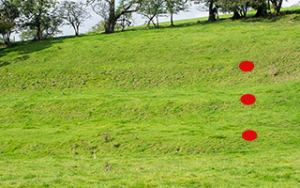
3. Using old maps or prints to pinpoint where they were located or street or field names eg Tentercroft in Rochdale
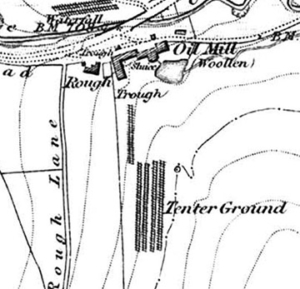
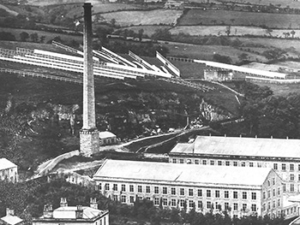
We are lucky to have several interesting local locations and intend to investigate some of them over the coming months. In the meantime, Graham’s site tenters.org is packed with useful information.
All images are from tenters.org

